I. Choose the word, phrase, or sentence that best fits the space in each sentence or best answers the question. (3.5 pts). ⇱
8. Witness: I saw someone suspicious on the street last night.
Detective: Oh really? Who was it?
Witness: Jake Martin _______ the street last night. He looked like he was up to no good.
13. Maria and her friend, Enika, are in a coffee shop.
Maria: “Would you like vanilla ice-cream or chocolate.”
Enika: “_____”
14. Hendry and Jenny are talking about a book they have just read.
Hendry: “The book is really interesting and educational.’
Jenny: “_____”
II. Look at the sign or the notice. Choose the best answer for questions 15 and 16. (0.5 pt) ⇱

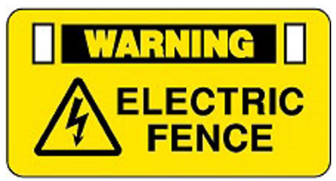
III. Choose the word that best fits the blank space in the following passage. (1.5 pts) ⇱
The city of Knoxville, USA had beautiful buildings and a rich history. (17) ___________, the people there weren’t happy. They had some traffic jams, and rush hour was busy, but that was like any other big, modern city. So, what was wrong with Knoxville? The problem was an increase in (18) ___________ people.
Many people lost their homes because the rent was rising. Ray Wilks, an old man (19) ___________ was homeless in Knoxville said he struggled to stay happy. “I was sleeping on the sidewalk because the cost of living was going up. I had to move out of my home because I didn’t have enough money for rent.”
The city found a way to solve the problem. The government (20) ___________ more apartment blocks that are cheap to rent. They also provided more jobs, like factory workers, because people were looking (21) ___________ work. Now, more people can pay their rent.
Ray Wilks is much happier since he now has a job and place to live. “Life is great again! I’m so happy to have a job and an apartment. I’m really (22) ___________ to the government of Knoxville for their hard work!”
IV. Read the following passage. Decide if the statements from 23 to 26 are True or False. Choose the correct answer for questions 27 and 28. (1.5 pts) ⇱
The Great Pacific Garbage Patch
The Great Pacific Garbage Patch is a collection of marine debris in the North Pacific Ocean. Marine debris is litter that ends up in oceans, seas, and other large bodies of water.
For many people, the idea of a “garbage patch” conjures up images of an island of trash floating on the ocean. In reality, these patches are almost entirely made up of tiny bits of plastic, called microplastics. Microplastics can’t always be seen by the naked eye. Even satellite imagery doesn’t show a giant patch of garbage. The microplastics of the Great Pacific Garbage Patch can simply make the water look like a cloudy soup. This soup is intermixed with larger items, such as fishing gear and shoes.
No one knows how much debris makes up the Great Pacific Garbage Patch. The North Pacific Subtropical Gyre is too large for scientists to trawl. In addition, not all of the trash floats on the surface. Denser debris can sink centimeters or even several meters beneath the surface, making the vortex’s area nearly impossible to measure.
V. Use the correct form of the word given in each sentence. (1.5 pts) ⇱
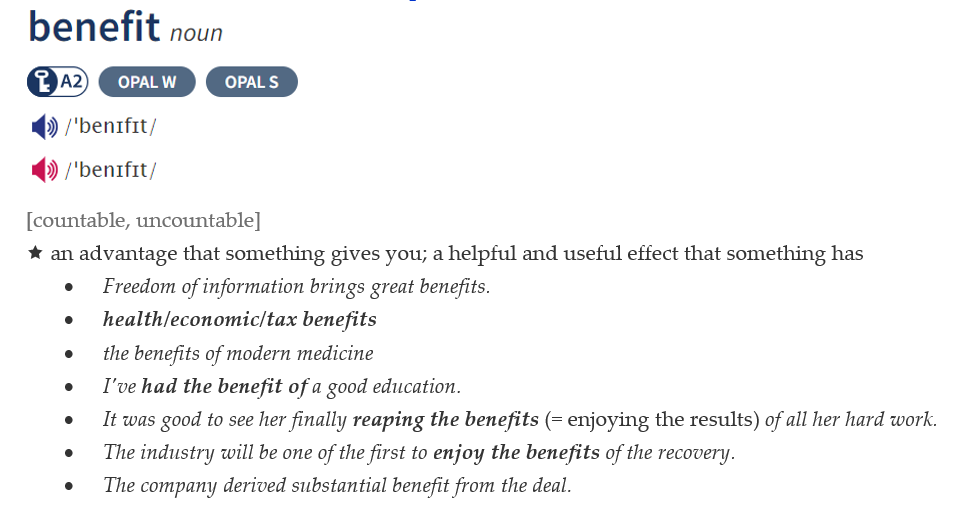
VI. Look at the entry of the word “benefit” in a dictionary. Use what you can get from the entry to complete the sentences with two or three words. (0.5 pt) ⇱