
I. Pronunciation (1-4) ⇱
II. Choose the answer (A, B, C or D) that best fits the space in each question. (5-14) ⇱
III. Look at the signs. Choose the best answer (A, B, C or D). (15-16) ⇱
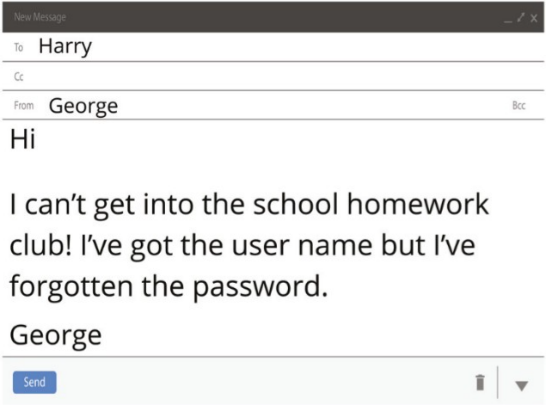

IV. Read the following passage and do as direct. (17-22) ⇱
Nowadays, cashless payments are becoming very popular. Instead of using coins or paper money, people can pay with cards, phones, or watches. This new way of paying is changing how we shop and manage our money.
Cashless payments are fast and easy. You don't need to carry a heavy wallet full of cash. Just tap your card or phone, and you're done! It's great for small purchases like coffee or big ones like electronics.
Using cashless methods is often safer than carrying cash. If you lose your card, you can quickly block it. With cash, once it's gone, it's gone. Many banks also offer protection against fraud for cashless transactions.
Cashless payments help you keep track of your spending. You can see all your purchases on your bank app or statement. This makes it easier to budget and save money.
For businesses, cashless payments are good too. They don't need to handle as much cash, which saves time and reduces errors. It's also easier to keep financial records.
In short, cashless payments are making buying things quicker, safer, and more convenient for everyone.
V. Choose the word (A, B, C or D) that best fits the blank space in the following passage. (23-28) ⇱
Being a Good Listener!
Good listening is essential for effective _____23______. For students, this skill is valuable in class, with friends, and in future _____24______.
To be a better listener, give your full _____25______. to the speaker. Put away distractions and make eye contact. Your body language matters – nod or smile to show you're engaged.
Avoid interrupting. Wait for pauses before speaking. When you do talk, ask questions that show you've been listening. This demonstrates interest and helps you ______26_____. better.
Practice active listening by focusing on the main ideas, not just thinking about what to say next. If you don't understand something, politely ask for ______27_____.
Respond thoughtfully by summarizing what you heard. This confirms your understanding and clears up misunderstandings.
Remember to consider the feelings behind the words. Pay attention to tone of voice and facial expressions.
Be patient with those who take longer to express themselves. Don't rush or finish their sentences.
By practicing these skills, you'll improve as a listener and communicator, benefiting your studies, relationships, and future career. Good listening is a valuable skill that _____28______. overall communication abilities.